
Plumbing Phone Coverage for Missed Calls and After-Hours Requests
You can’t always stop a job to answer the phone. These guides cover missed calls, calls after closing, urgent requests, and days when the phone won’t let up.
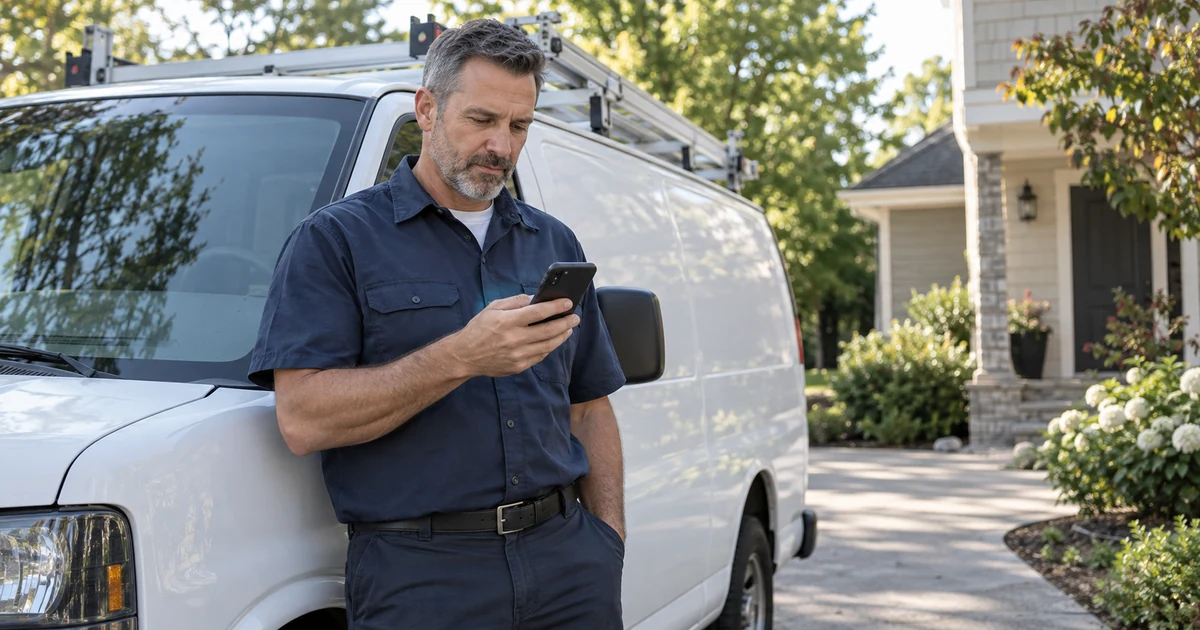
What to do when you can’t pick up
A plumbing shop needs a clear plan for calls nobody can answer. Decide who calls the homeowner back, what details the office needs, and which calls go straight to the on-call plumber. Voicemail, text-back, and answering services can all play a part. The important thing is that someone follows through. Taking a message doesn’t mean you’ve agreed to the job.
What homeowners are calling about
A request to replace a faucet next week is different from a homeowner calling about water coming through the ceiling. Start with what the caller says. Get the basic details, then put the message in front of the right person.
- A leak or water where it shouldn’t be: note what the homeowner says and have someone look at the request.
- A backed-up drain or sewer: ask which fixtures or areas are affected. Don’t guess the cause from a text.
- A water heater problem: note whether the caller reports no hot water, a leak, or a safety concern.
- A toilet or fixture problem: find out what’s happening and where.
- No water or low pressure: pass along the homeowner’s own description so the plumber has the full story.
- A routine service call: check the address, the kind of work, and space on the schedule.
- A call after closing: tell the caller whether someone is checking messages now or when the office opens.
- An address outside your area: check the full address before offering a visit.
- A vendor, wrong number, or spam call: keep it out of the service-call list.
Ways to cover the phones
The right setup depends on who’s available and what kind of calls you get. A one-truck shop may handle callbacks differently from a shop with someone in the office all day.
Live answering
Someone answers while the homeowner is still on the line. They can ask questions and take a message. Whether they can book work or transfer a call depends on the instructions you give them.
Reaching the on-call plumber
Urgent calls go to the person covering that shift. Pick a backup, too, so there’s a plan when the first person is on another call or can’t answer.
Missed-call text-back
A text goes out after you miss a call and asks what the homeowner needs. Someone still has to read the reply and decide what happens next.
Voicemail and callbacks
The homeowner leaves a message and someone from the shop calls back. This can work if checking messages is a regular part of someone’s day.
Virtual receptionist or answering service
An outside service may answer calls, take messages, screen calls, transfer them, or book appointments. Ask exactly what the plan includes and when people are available.
Office staff returning calls
Your office keeps track of missed calls and works through them between other tasks. Shared notes help keep two people from calling the same homeowner while another message gets missed.
When a person needs to take the call
Some calls need a conversation. The homeowner may be worried about an active leak, unable to explain the problem by text, or asking for immediate help. A text can collect a number and address, but it can’t make the decisions an experienced person needs to make.
If you offer on-call service, make sure the on-call person confirms they’ve picked up the request. Sending an alert isn’t enough. If nobody is available, be straight with the caller about that. Don’t let an automatic reply give the impression that the shop has already arranged a visit.
Common questions
What is plumbing phone coverage?
It’s your plan for calls you can’t answer yourself. That might mean someone in the office, an answering service, voicemail, text-back, or an on-call plumber. It also includes who checks the messages and calls people back.
Do plumbers need an answering service?
Not every shop does. If most missed calls are routine requests and you can reliably call back, you may be able to handle them yourself. If callers need a live conversation or a transfer to someone on call, an answering service may be a better fit.
Can missed-call text-back work for plumbing calls?
Yes. It can get the address and a description of the problem while you’re tied up. It works best for people who can text. Urgent calls, unclear messages, and people who need to talk still need a person.
What should happen after an urgent plumbing call is missed?
Get the caller’s details to the on-call person and make sure they’ve accepted the callback. Have a backup if they don’t answer. If the shop has nobody available, the caller needs an honest answer about that.
Can after-hours plumbing calls be booked automatically?
Some routine work can be booked if your setup checks the address, the kind of job, and the actual schedule. Urgent or unclear calls need a person to look at them before an appointment is promised.
Can a plumbing business keep its existing number?
That depends on your phone provider and the service you choose. Ask whether you can use your current number, whether calls need to be forwarded, and how texts and callbacks will work. Test the setup before relying on it.
What calls need human review?
Calls about active leaks, sewer backups, no water, safety concerns, or immediate help need someone’s attention. So do unclear requests, addresses outside your usual area, commercial work, and callers who can’t use text.
How is phone coverage different from voicemail?
Voicemail takes a message. A phone coverage plan says who listens to it, who calls back, and what happens if it needs the on-call plumber. Voicemail can be part of the plan, but it won’t follow up on its own.