
Appliance Repair Call Intake: Equipment, Model Details and Service Fit
An appliance repair inquiry starts with a reported problem. Before the office offers a visit, it needs to establish which appliance is involved, whether the work fits the business, and what someone must review. A useful intake process collects enough to make that decision while giving callers a way forward when model information, access details or ownership arrangements are incomplete.
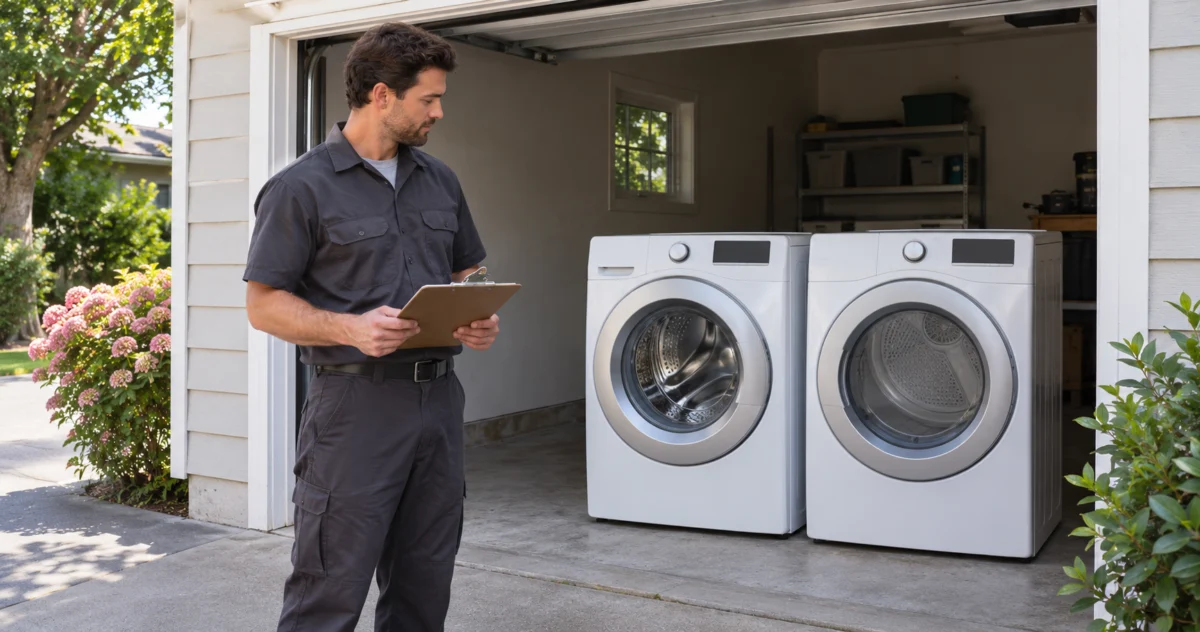
Write down the equipment your company accepts
Create a short service-scope reference for anyone answering calls. Include appliance types, brands, residential or commercial work, the geographic area, and exceptions that require review. A brand alone is insufficient: a built-in oven, countertop coffee maker and commercial dishwasher can involve different service arrangements.
GE Appliances’ service guidance separates support routes by product type and notes that some products have return or exchange arrangements. Use the manufacturer’s actual information where relevant, alongside your company’s own accepted scope.
Within established scope
Collect the details needed for the appropriate next appointment.
Needs review
Name the person who will confirm eligibility and preserve the caller’s request.
Keep each appliance attached to the right property
Record the appliance type, brand if known, property address and unit or location within the property. Ask whether the request concerns one appliance or several. Two refrigerators at the same address need separate descriptions so the technician can identify the correct unit.
Keep the customer’s wording beside that record. For example, a washer that stops before the cycle finishes and a dryer that takes longer than usual are two reported conditions. An appointment for one appliance should not silently expand to both. Send the additional request through the company’s scope and scheduling review.
Collect model information when it is readily available
Ask whether the caller already has a model number, serial number, manual, receipt or a clear photograph of the accessible label. Record what was supplied and identify uncertain characters. GE Appliances’ parts lookup uses the model number to identify suitable parts. Accurate equipment details can therefore help later preparation.
Keep missing information visible as unknown. GE’s service form provides an appliance-type route when model or serial information is unavailable. Your office can likewise define a human-review path. Ask only for information the caller can readily provide; leave appliance movement, panel removal and equipment inspection to the appropriate service process.
Record observations that help the reviewer
Ask what the appliance is doing, when the caller noticed it and whether this relates to a previous visit. If an error code is already visible, record it exactly as reported. A caller’s description of water remaining in a dishwasher is useful even when they cannot identify a component.
The intake record should show which details came from the caller and which came from an earlier job record. Keep suggested causes separate from observations. Staff can send the report for assessment without interpreting an error code, specifying a replacement part or asking the caller to reproduce the fault.
Identify the people needed for the next step
For a rental or managed property, record the requester’s role, the on-site contact and the person the business should speak with about authorizing a visit. These may be different people. Confirm a working callback route and record any known appointment constraints, such as the need to coordinate building access.
This is a proposed office procedure, not a determination of legal responsibility. Apply the company’s existing authorization process before accepting work. If the caller cannot supply the necessary contact, assign follow-up rather than letting an incomplete form become an abandoned inquiry.
Use a short record to make the next decision
The following is an illustrative intake record for office training.
Dishwasher in a rental unit
Report: Water remains inside after the cycle.
Equipment: Built-in dishwasher; brand reported; model unknown.
Property: Address and unit confirmed; tenant is the on-site contact.
Open question: Property manager’s approval for the assessment visit.
Next action: Named office employee checks service fit and contacts the manager.
The record is useful before every field is complete. Its next step is a review, with appointment purpose and availability still to confirm. Use the diagnostic-visit guide when explaining what the proposed visit covers. For broader ownership and handoff choices, see phone coverage when you cannot answer.
Appliance Repair Call Intake: Equipment, Model Details and Service Fit FAQs
Should a missing model number prevent a callback?
Keep the request and mark the model unknown. Your office can review the appliance type, reported condition and service fit, then explain what further information is needed.
Is a photograph of the appliance label required?
Use a photograph when it is readily available and useful. Provide a route for callers who cannot send one. Equipment inspection belongs in the service process.
How should two appliances at the same address be recorded?
Give each appliance its own description and reported condition within the property record. Check whether the proposed appointment covers both before confirming it.
What if the caller names a brand the company usually services?
Also establish the appliance type and requested work. Check the company's actual scope and route unusual configurations or categories for review.
What should the office collect from a tenant?
Record the request, property and unit, tenant's contact details, and the person to contact about authorizing the visit. Follow the company's established approval process.
Does service eligibility confirm an appointment?
Eligibility is one decision. The office still needs to confirm the visit's purpose, any required authorization and actual scheduling availability.